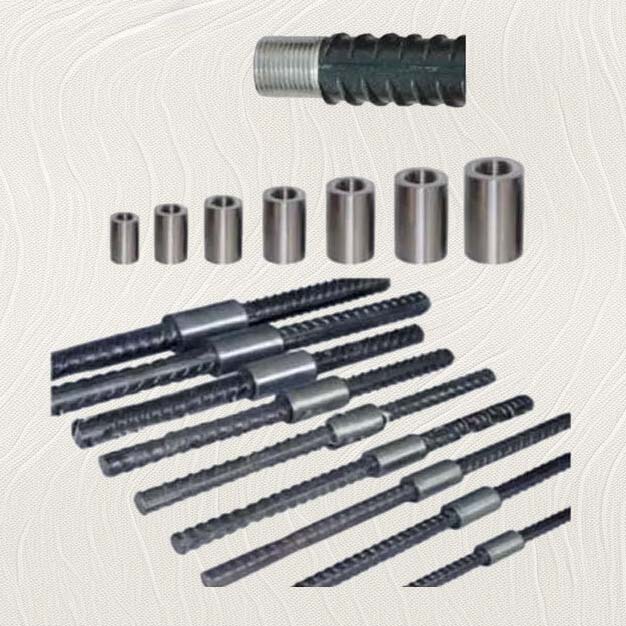
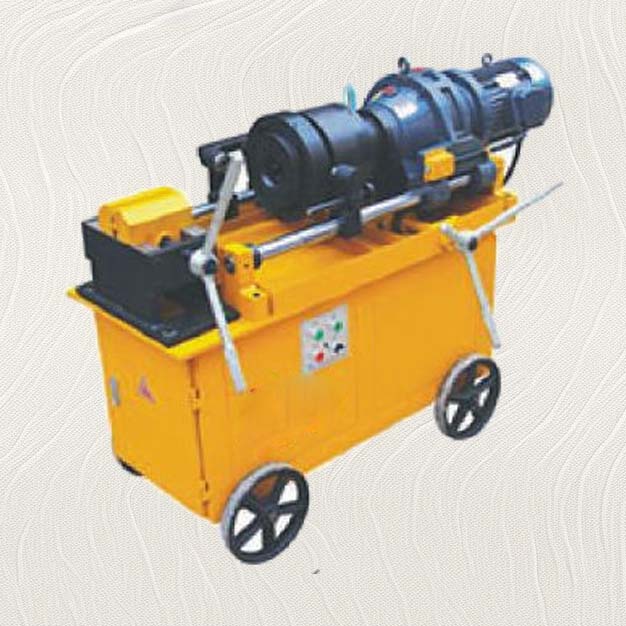
Thread rolling is a process that offers increased tensile strength and accuracy with an improved surface finish. Thread rolling is a metalworking process that offers several advantages, including increased tensile strength, accuracy, and improved surface finish.
The Rolling Thread process offers :
- High Production Rate
Rolling thread is a high-speed manufacturing process, making it conducive to mass production. It allows for the rapid creation of threaded features on multiple workpieces.
- No Material Wastage
Unlike some cutting processes that generate material waste, rolling thread is a formative process that displaces material to create threads. This results in minimal or no material wastage during the threading operation.
- Uniform Threads
The rolling thread process ensures the creation of threads with a high degree of uniformity. This uniformity is crucial for consistent and reliable threaded connections in various applications.
- Improved Physical Characteristics
Rolling thread can impart favorable physical characteristics to the threaded components. The process can enhance the mechanical properties of the material, including its strength and durability.
- Greater Accuracy
The process of rolling thread provides a high level of precision and accuracy in the creation of threads. This accuracy is essential for achieving tight tolerances in threaded components.
- High Level of Surface Finish
Rolling thread typically results in a smooth and high-quality surface finish on the threads. This is important for applications where a smooth surface is desired for functional or aesthetic reasons.
The Rolling Thread process is well-suited for applications that require high production rates, precision, and the creation of uniform and high-quality threads. These advantages make it a preferred method for the efficient and cost-effective production of threaded components in various industries, such as automotive, construction, and manufacturing.